Greenwood Park is a sixth-generation South Australian family farming business. From its beginnings at Auburn in 1847, the Williams family story has grown across changing seasons, enterprises and landscapes.
Our story
For more than 175 years, Greenwood Park has been shaped by family stewardship, practical experience and a willingness to adapt. What began at Auburn now connects three distinct properties: Greenwood Park, Narrawa at Hoyleton and Mahanewo Station in South Australia’s North-West Pastoral District.
The family’s founding father
Henry Williams and the journey from Cornwall
Henry Williams and his wife, Ann Glanville, stand at the beginning of the family’s South Australian story. Henry was a Cornish copper miner, part of a community facing great change as South Australia offered working families the prospect of land and a new future.
The migration unfolded in two stages. Their sons Richard Williams and John Glanville Williams sailed first aboard the Princess Royal, an immigrant barque carrying many people from the mining districts of Cornwall and Devon. After leaving England late in 1846, the ship reached Port Adelaide on 16 March 1847 following a voyage of about four months.
Henry and Ann followed aboard the Pakenham in 1849. Henry is remembered as the founding father of the Australian family story; Richard became the first of the six generations whose lives and work were directly connected with Greenwood Park.
Cornwall – Greenwood Park – Today
This is the Greenwood Park story in brief: from a Cornish mining family and two migration voyages to six generations of farming, expansion and shared stewardship in South Australia.
BEFORE 1847
A Cornish beginning
Henry Williams and Ann Glanville raised their family in Cornwall, where Henry worked as a copper miner. Changing conditions and the promise of a future in South Australia set the family’s migration in motion.
16 MARCH 1847
Princess Royal
Richard and John Glanville Williams reached Port Adelaide aboard the Princess Royal. Richard’s arrival begins the six-generation line directly connected with Greenwood Park.
MARCH 1849
Pakenham
Henry and Ann followed aboard the Pakenham, reuniting the family in South Australia. Henry is remembered as the founding father of the Australian family story.
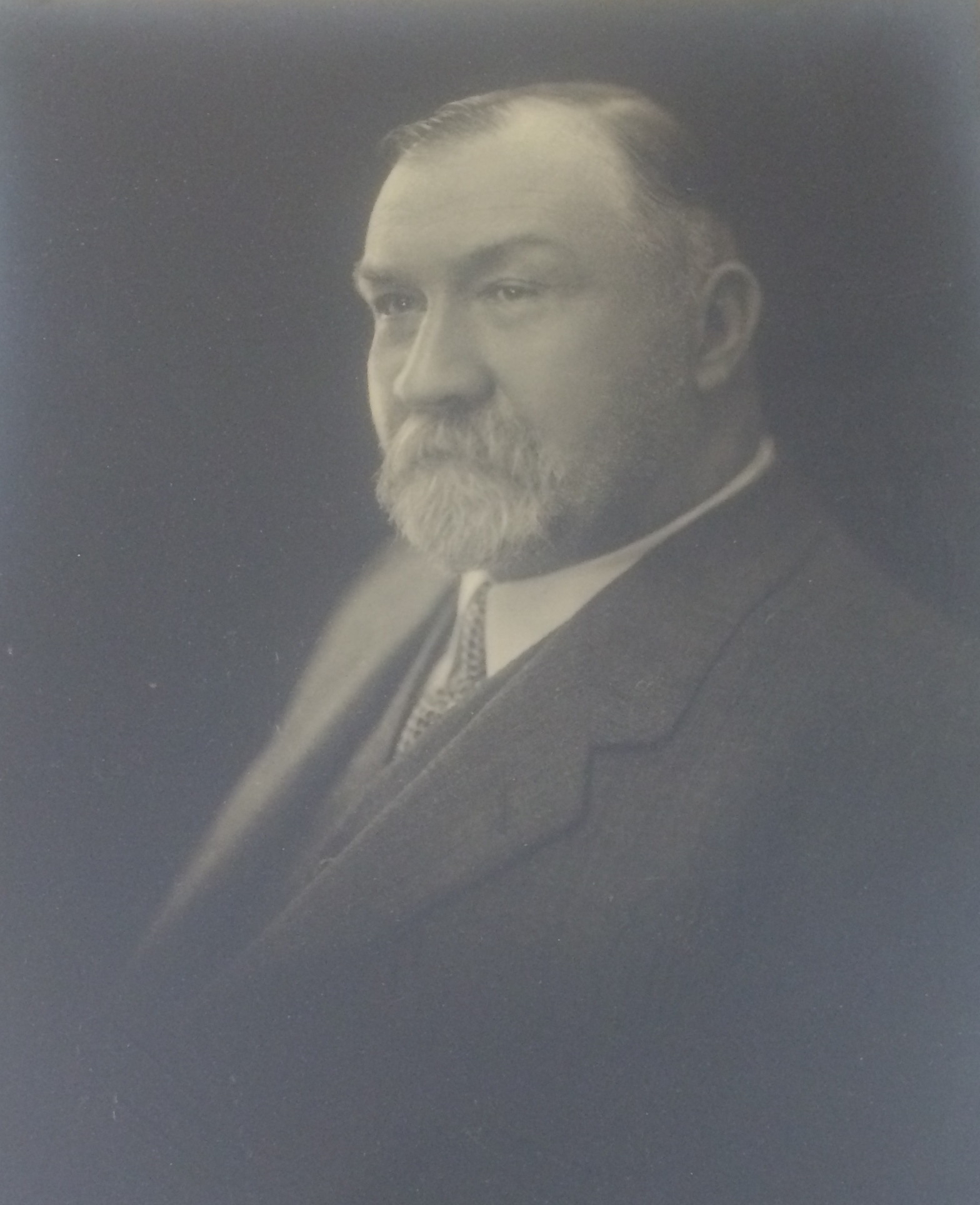
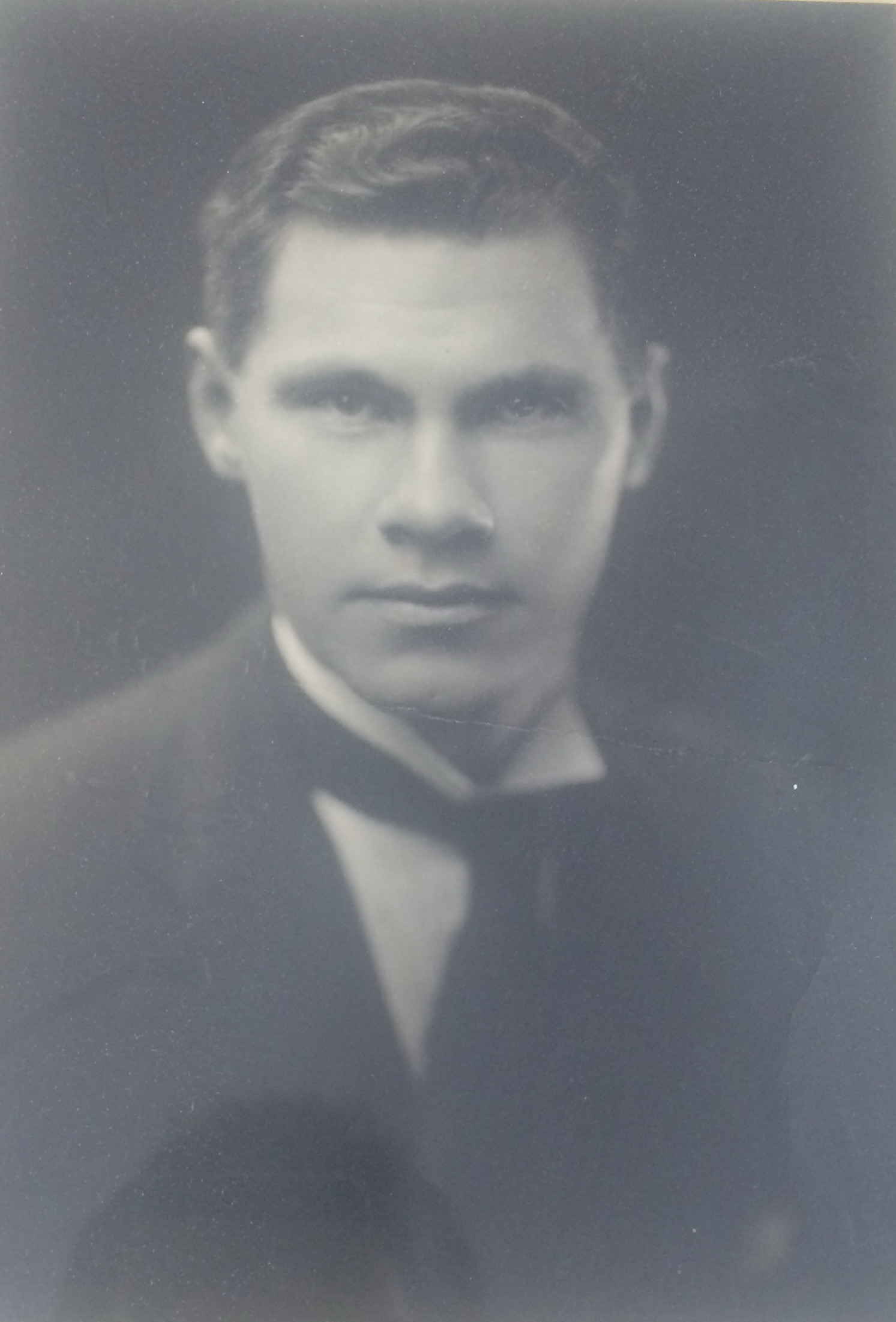
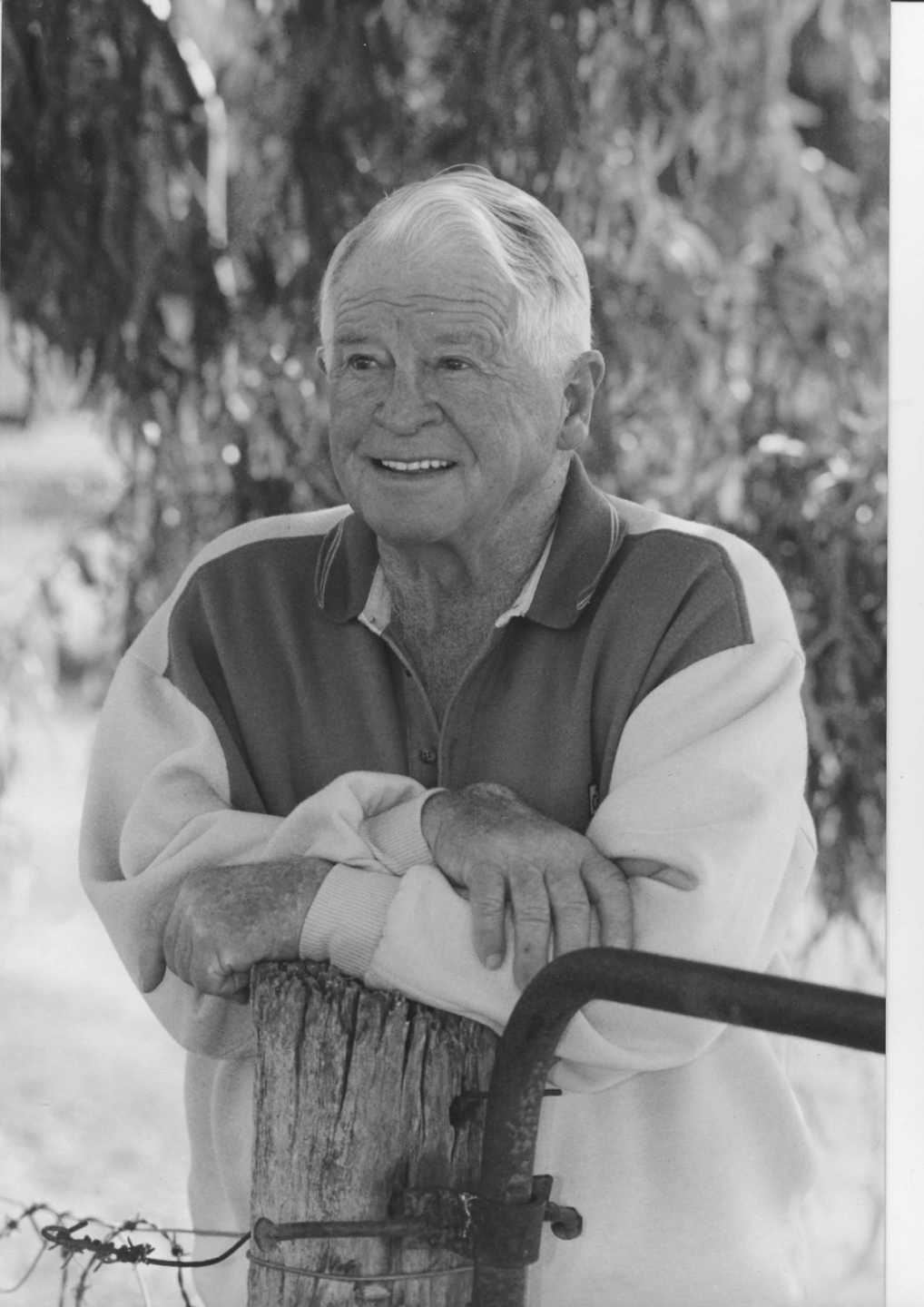
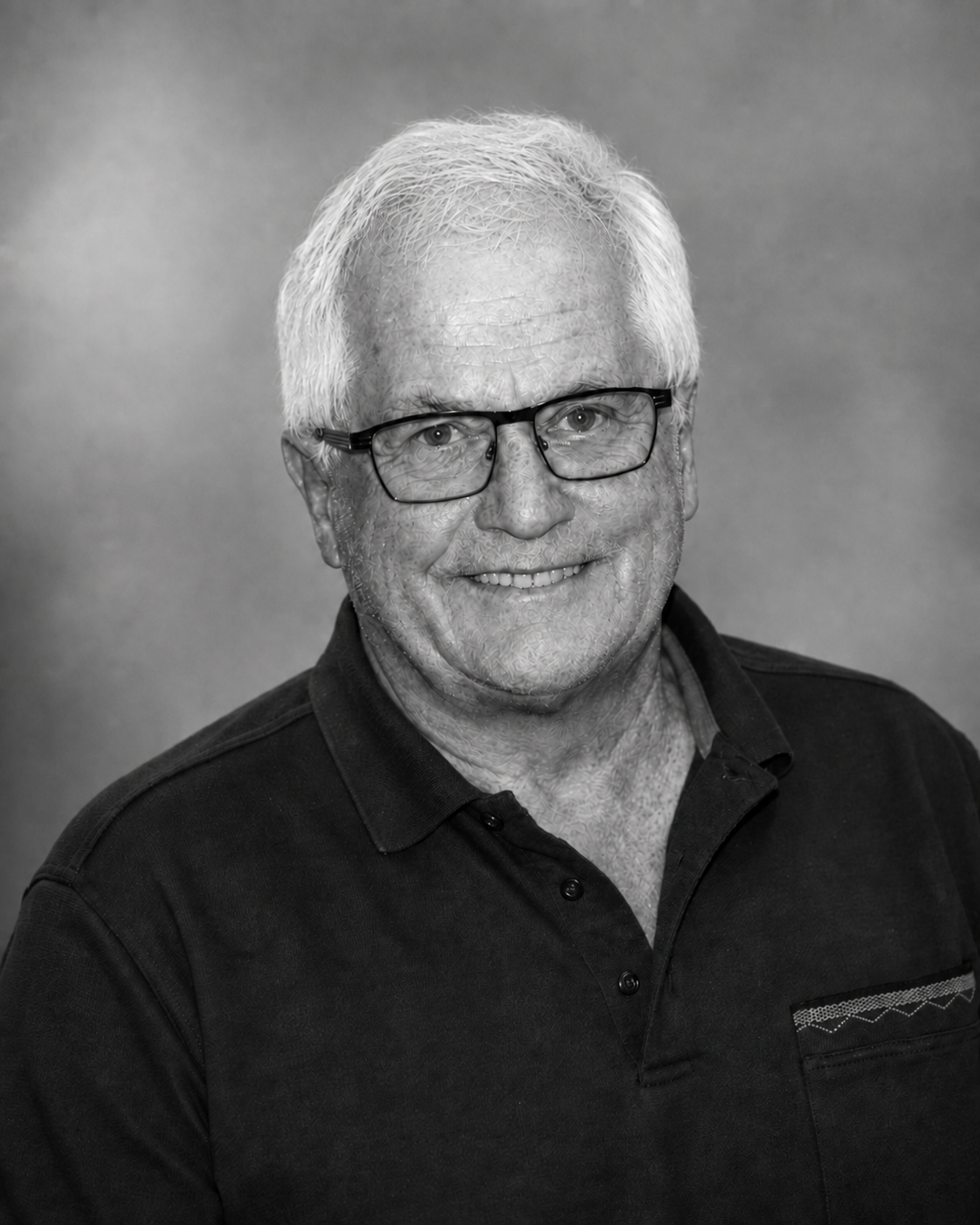
Six generations at Greenwood Park
Select a generation to explore its photographs, history and place in the continuing Greenwood Park story.
Milestones in the continuing story
1895–1916
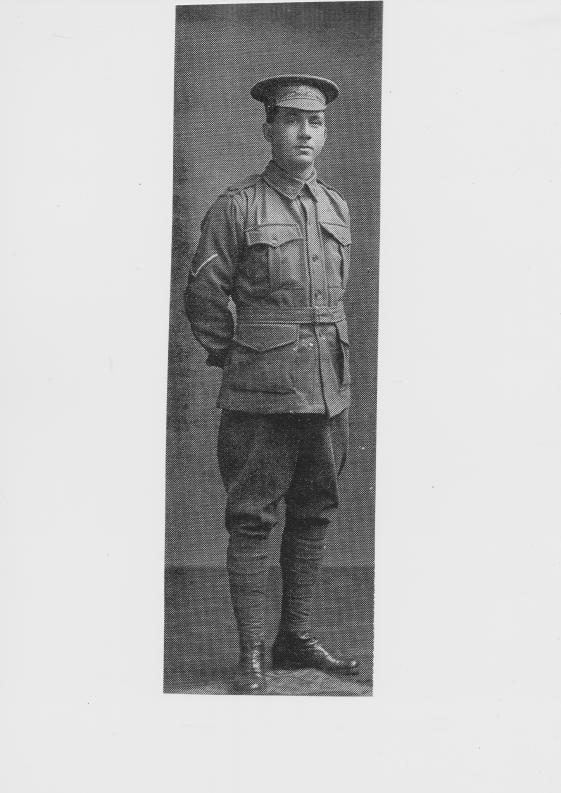
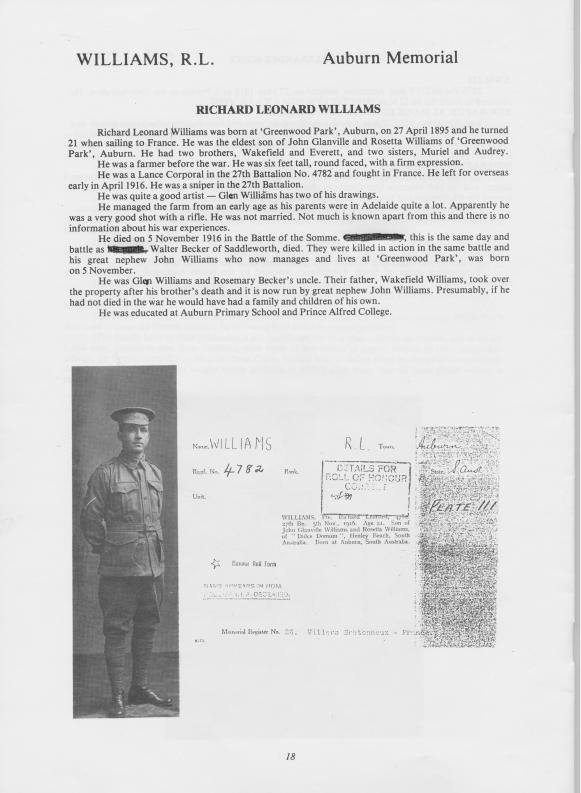
Richard Leonard Williams
Born at Greenwood Park in 1895, Richard Leonard Williams was the eldest son of John Glanville and Rosetta Williams. Before enlisting, he joined his father in the sheep and wool industry and became an expert machine shearer and woolclasser. At Prince Alfred College he served as a cadet corporal and won two gold medals as a champion rifle shot. He enlisted in February 1916 and was killed in France on 5 November that year. Read Richard Leonard’s service story.
2001
Narrawa joins the business
The purchase of Narrawa at Hoyleton marked an important expansion of the farming operation, adding another productive Mid North property to the family business.
2021
A new chapter at Mahanewo
Mahanewo Station was purchased in 2021, extending the business into South Australia’s pastoral country and creating new opportunities for livestock production and long-term development.
From Greenwood Park today
Recent News
This section will share noteworthy developments from Greenwood Park, Narrawa and Mahanewo as the story continues.
24 AUGUST 2026 · LIVESTOCK
Greenwood Park invests in the next generation of its Merino flock
At the Kelvale Poll Merino sale, Ashley and Scott Williams secured 15 rams for Greenwood Park’s self-replacing Merino flock, including the sale’s $7,000 top-priced ram. The selection supports Greenwood Park’s focus on body shape, long-stapled wool and increased wool cut, while also helping breed rams for Mahanewo on the edge of Lake Gairdner. Scott noted the flock’s strong lamb production and twice-yearly shearing program.
From the family archive
How we work
Across generations, the business has evolved with the country, the seasons and the changing demands of agriculture. We value capable people, responsible stewardship, strong animal welfare and decisions supported by good information. We continue to invest in systems and technology that make our operations safer, more efficient and more sustainable.